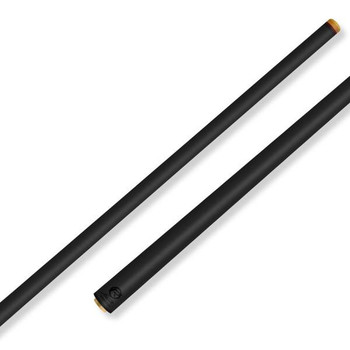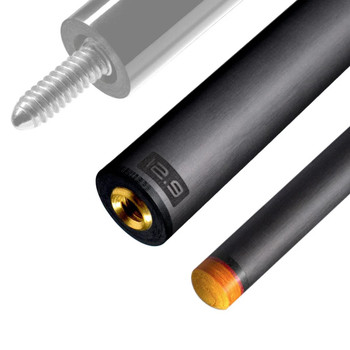

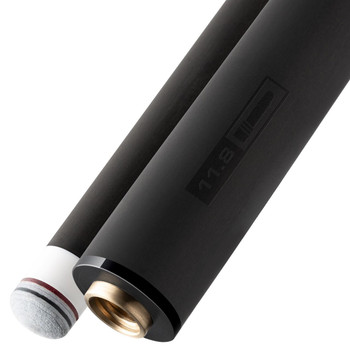
Your shaft is the single most impactful piece of equipment you can change to improve your game. It determines how much the cue ball deflects when you apply spin, how consistent your hit feels shot to shot, and how the cue responds to your stroke over time. FCI Billiards carries shafts from Predator, Cuetec, Jacoby, Pechauer, Whyte Carbon, Bull Carbon, McDermott, and more across every construction type and price point.
2
11.8mm — The Performance Standard
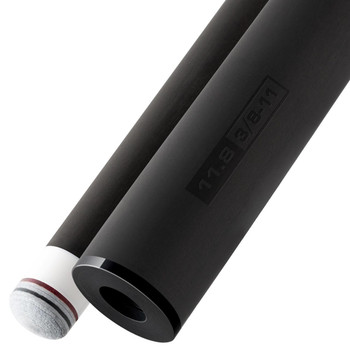
The 11.8mm diameter has become the de facto standard in performance and carbon fiber shafts. The Predator REVO 11.8, Cuetec Cynergy 11.8, and Jacoby BlaCk V4 all come in this diameter. It sits in the sweet spot between precision and forgiveness, offering excellent english transfer.
3
12.5mm — Familiar Feel, Better Performance
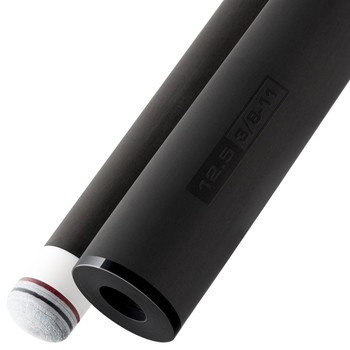
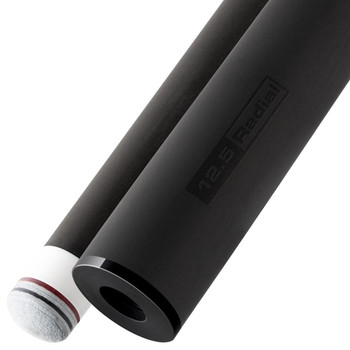
The 12.5mm diameter is the closest to the tip size on a standard maple cue, which makes it the most natural transition for players moving into a performance shaft for the first time. The Cuetec Cynergy 12.5 and Predator REVO 12.4 are both in this range. Players who find narrower shafts feel foreign in their stroke often find 12.5mm preserves the familiar feel while still delivering the right amount of english.
4
12.75mm — Standard Maple Territory
The 12.75mm diameter is common on standard hard rock maple shafts and remains the most widely used tip size in recreational play. Players at this diameter have the most forgiving contact area and the most familiar feel for anyone transitioning from a house cue.
Pro Taper vs. Conical Taper
The taper describes how the shaft transitions in diameter from the tip end down toward the joint. It's one of the most important feel factors in a shaft and one that many players overlook entirely.
Pro Taper — Straight and Consistent+
A pro taper shaft maintains a consistent diameter for approximately 12 to 14 inches from the tip before gradually widening toward the joint. This means the shaft feels the same thickness whether your bridge is close to the cue ball or extended far back. Players with longer bridges or those who prefer a uniform feel through the stroke typically prefer a pro taper. Most performance shafts use some version of a pro taper, including the Predator 314-3 and REVO.
Conical Taper — Gradual and Traditional+
A conical taper begins widening immediately from the tip end, creating a gradual cone shape along the entire length of the shaft. This gives the shaft more stiffness near the joint and a softer feel near the tip, which many players find delivers a more traditional wood cue feel. Standard production cues from entry-level brands typically use a conical or modified pro taper.
Shaft Construction — From Traditional Wood to Full Carbon Fiber
Shaft construction is the most significant variable in how a shaft plays and how much deflection it produces. Here's a breakdown of every construction type available:
Traditional Solid Maple+
A single piece of hard rock maple turned to the correct diameter and taper. The industry standard for decades and still the most widely used shaft material in the world. Delivers a traditional hit feel with good feedback but produces more cue ball deflection than engineered alternatives. The right choice for players who value the classic feel and aren't yet focused on low-deflection technology. Maintenance requires regular cleaning and occasional conditioning to keep the wood playing consistently.
Spliced Wood (Low-Deflection Maple)+
Spliced wood shafts are built from multiple precisely cut maple segments bonded together in alternating grain orientations. This construction significantly reduces the front-end mass of the shaft, which is the primary driver of cue ball deflection. Predator pioneered this technology with the 314 series, and the
Predator 314-3 and Z-3 remain the benchmark for spliced wood performance. The feel is still recognizably wood, warm, familiar, and with natural feedback, but with meaningfully less deflection than a solid maple shaft.
Kielwood+
Kielwood is a proprietary engineered wood material used in high-end cue shafts from makers like
Pechauer and
Jacoby. It's produced by bonding multiple ultra-thin wood veneers under high pressure to create a material that is significantly more dimensionally stable than solid maple while retaining the natural feel of wood. Kielwood shafts resist humidity related warping better than solid maple, deliver very low deflection, and feel more like a traditional wood shaft than carbon fiber. A strong choice for players who want performance closer to carbon fiber but prefer the sound and feel of wood.
Hybrid Wood and Carbon Fiber+
Hybrid shafts use a maple body with a carbon fiber core running through the front section of the shaft. This stiffens the area closest to the tip, the zone most responsible for deflection, while preserving the natural feel of maple through the rest of the stroke. The
Predator Centro is the prime example of this construction, delivering more stiffness and less deflection than a spliced wood shaft while still feeling recognizably like a maple cue.
Carbon Fiber Composite−
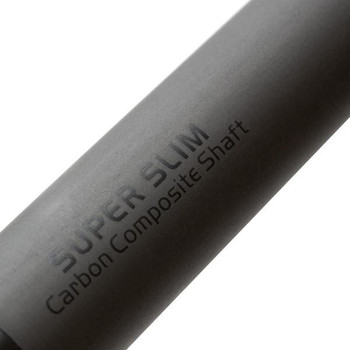
Carbon fiber composite shafts use a carbon fiber tube construction, sometimes over a foam or polymer core, to create a shaft that is stiffer, lighter in front-end mass, and more warp-resistant than any wood construction. This produces the lowest deflection of any shaft type and the most consistent hit regardless of playing conditions. The tradeoff is a different feel at contact, sharper and more crisp than wood, which some players prefer and others find takes adjustment. The
Predator REVO,
Cuetec Cynergy,
Jacoby BlaCk V4,
Bull Carbon, and
Whyte Carbon are all in this category.
Wood-Look Carbon Fiber+
Whyte Carbon offers a unique option for players who want full carbon fiber performance but prefer the visual appearance of a traditional wood shaft. The Wood Grain Carbon Play Shaft uses Whyte's dual-core seamless carbon construction with micro-compression technology underneath a wood grain surface finish — carbon fiber performance that looks like maple on the table. Whyte Carbon also offers the Pearl Essence finish in white and the standard raw black carbon finish, giving players three distinct visual directions while using the same underlying construction technology.
Shop Shafts by Brand
Here's a quick breakdown of each brand we carry and where they sit in the market:
Predator+
The brand that started the low-deflection revolution in pool.
Predator shafts cover three distinct technologies: the spliced wood
314-3 and Z-3 for players who want low-deflection wood performance, the hybrid
Centro for players bridging the gap between wood and carbon fiber, and the carbon fiber
REVO for players who want the maximum low-deflection performance Predator offers. FCI Billiards has been an authorized Predator dealer since 1999.
Cuetec+
The
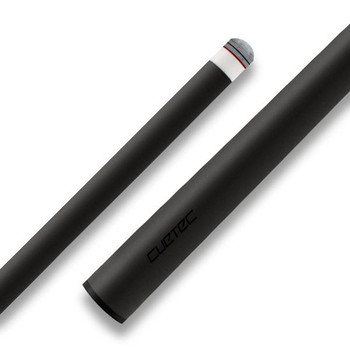
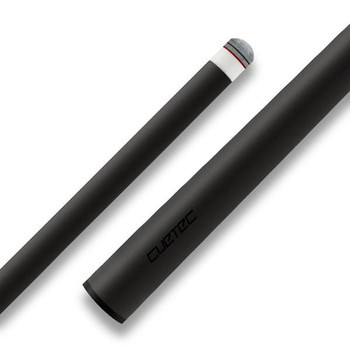
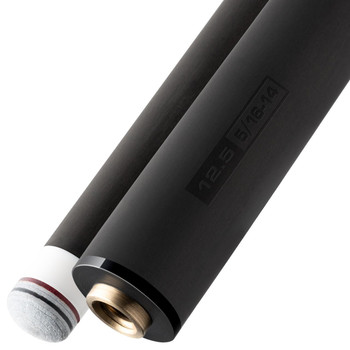
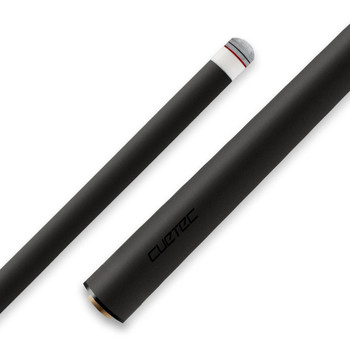
Cuetec Cynergy is a carbon fiber composite shaft developed with direct input from five-time U.S. Open Champion Shane Van Boening. Available in 10.5mm, 11.8mm, and 12.5mm diameters, it uses spun carbon fiber construction over a poly-foam core for low deflection with a hit feel closer to wood than many purely rigid carbon fiber options. FCI Billiards has been an authorized Cuetec dealer for over 20 years.
Jacoby+
Jacoby shafts include both carbon fiber options like the BlaCk V4 and Kielwood laminated shafts. The BlaCk V4 uses a specially machined ferrule and thinner wall thickness near the tip to reduce front-end mass and cue ball squirt. Jacoby is a multiple-time ACA Cue of the Year award winner and builds all of their products in Nekoosa, Wisconsin.
Pechauer+
Pechauer shafts include the Rogue carbon fiber shaft, which combines carbon fiber with high-tensile aramid fiber for a shaft Pechauer describes as their most precise and powerful. The Rogue uses a Noise Dampening Core that gives it the sound and feel of a traditional wooden shaft rather than the sharper tone of most carbon fiber options. Available in 11.8mm, 12.4mm, and 12.8mm, the Rogue fits Pechauer JP and Pro Series joints. Pechauer also offers Kielwood shafts for players who prefer engineered wood construction.
Whyte Carbon+
Whyte Carbon shafts use dual-core seamless carbon construction with micro-compression technology and a multi-density fill pattern. Available in three distinct finishes: raw black carbon, Pearl Essence white, and a wood grain finish that looks like a traditional maple shaft on the table. The wood grain option in particular is designed for players who want full carbon fiber performance without the visual departure from a wood cue. Available in multiple joint configurations including Uni-Loc, Radial, 5/16x18, and 3/8x10.
Bull Carbon+
Bull Carbon shafts are built with 1mm thick carbon fiber walls and come with a Kamui Black tip installed. Multiple joints available in 11.75mm and 12.25mm diameters. The RK Shaft is Bull Carbon's premium offering, engineered for exceptional stiffness and low deflection from 100% pure carbon fiber construction.
McDermott+
McDermott shafts are built to the same Wisconsin craftsmanship standards as the full McDermott cue lineup. A solid option for existing McDermott cue owners looking for a direct replacement or upgrade shaft that is purpose-built for their joint configuration.
Not Sure Which Joint Your Cue Uses? Before ordering a replacement or upgrade shaft, confirm your cue's joint type. The wrong joint specification means the shaft simply won't fit. Browse our
joint types by cue brand guide to identify the correct specification for your cue, or
contact us and we'll help you figure it out.
Shop Pool Cue Shafts at FCI Billiards
Free shipping on orders over $50 and a 30-day return policy. Not sure which shaft is compatible with your cue or right for your game? Contact us and we'll help.
Shop All Shafts
Related Articles