The tip is the only part of your cue that makes contact with the cue ball, which makes it one of the highest impact upgrades you can make without replacing the whole cue or shaft. The right tip affects how much spin you can generate, how chalk retention performs over time, how the hit feels at contact, and how consistently the tip holds its shape through regular play. FCI Billiards carries tips from Kamui, Zan, Caiden, Tiger, Taom, Le Pro, and more across every construction type, density, and intended use.
Tip Hardness — The Most Important Variable
Tip hardness is measured on the Duro scale and is the primary factor in how a tip plays. Here's how the three main hardness levels break down:
1
Soft Tips - Maximum Spin and Feel
Soft tips have more give at contact, which increases time on the cue ball and generates more english with less effort. They also hold chalk extremely well. The tradeoff is that soft tips mushroom and flatten faster than harder options, requiring more frequent maintenance and replacement. Best for players who play a english-heavy, position-focused game. The Kamui Black Soft and Zan Premium Soft are strong options in this category.
2
Medium Tips - The Practical Middle Ground
Medium tips balance spin capability, chalk retention, and durability in a way that suits most playing styles. They last longer than soft tips without sacrificing too much feel, which is why medium is the most commonly recommended starting point for players switching tips for the first time. The Le Pro is the pressed leather standard at this density. The Caiden Fighter and Kamui Athlete Medium are strong layered leather options.
3
Hard Tips - Durability and Power
Hard tips are the most durable and hold their shape the longest. They deliver more power with less compression at contact, which reduces spin capability but maximizes energy transfer, the reason all break and jump tips use a hard or phenolic construction. For playing cues, hard tips suit players who prefer a firmer, more direct feel. The Zan Grip Hard and Caiden Warrior are built for this profile. Phenolic tips used on break and jump cues are the hardest available and are purpose-built for these jobs.
Tip Construction Types
Beyond hardness, how a tip is constructed affects its consistency, longevity, and feel:
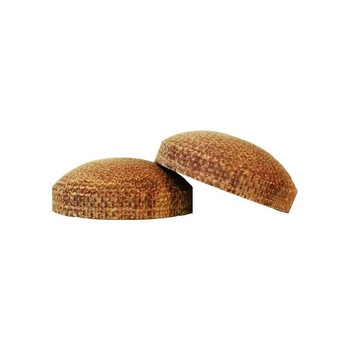
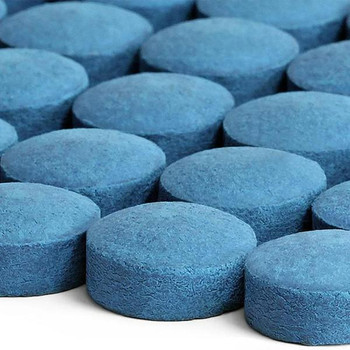
Layered leather tips are built from multiple thin sheets of leather compressed and bonded together. The layered construction gives each tip a more consistent density throughout its life, better chalk retention than a single-layer tip, and more resistance to mushrooming. Most performance tips on the market today use layered construction. Kamui, Zan, Caiden, and Tiger all produce layered leather tips across soft, medium, and hard densities. Browse our full
layered leather tip selection.
Pressed leather tips are made from a single piece of compressed leather. They're the most affordable option and are the standard tip on most lower tier production cues straight from the manufacturer. They play fine for recreational and casual use but don't hold their shape or chalk as long as layered tips. The Le Pro is the most widely used pressed leather tip in the industry and comes standard on many mid-range cues. Browse our
pressed leather tip selection.
Break and jump tips use hard leather, composite or phenolic construction to maximize energy transfer at contact and hold up to the repeated hard impact that standard playing tips can't sustain. Phenolic tips are the hardest available, dense, non-compressible, and extremely durable. Hard laminated leather break tips from brands like Samsara, Kamui, and Zan offer a slightly softer alternative to full phenolic while still delivering the power and durability the break demands. Browse our full
break and jump tip selection.
Tips by Brand
Here's a quick breakdown of the tip brands we carry and what each one is known for:
Kamui+
Kamui tips are among the most widely used performance tips in professional and competitive pool. Made from 10-layer Japanese pigskin tanned with a humidity-resistant process, they maintain consistent elasticity and chalk absorption across varying playing conditions. Available in Black, Brown and Clear versions across soft, medium, and hard densities, plus the Athlete series and dedicated break tip. The Kamui Black Soft is one of the most popular tips we carry.
Zan+
Zan tips are handmade with individually laminated layers, which produces a tip with a notably consistent sound and feel at contact. Available in several configurations including the Premium Soft (Duro 87.9), the Plus, the Grip Hard, and the Hybrid MAX. The Zan Hybrid MAX is notable for combining the power of a hard tip, the grip of a medium, and the control of a soft in a single tip at a Duro rating of 90.8, one of the most versatile options in the lineup for players who don't want to choose between competing qualities.
Caiden+
Caiden tips use 10 layers of tanned and undyed premium pigskin leather. The Fighter is the flagship playing tip, it holds chalk well, doesn't glaze over, and delivers good spin and control across its life. The Warrior is the harder option for players who want a firmer feel. The Fenrir is Caiden's break/jump tip, a bilateral design that offers three different hit profiles depending on how it's installed on the cue.
Tiger+
Tiger produces playing tips and break tips across a wide range of options. The Tiger Break is a laminated tip made from quality cow and pig hide for break cues. The Tiger Icebreaker Plus uses a composite fiber/resin blend that delivers immediate power on the break without a break-in period.
Taom+
Taom tips are a newer entry into the performance tip market, precision-engineered for consistent feedback shot to shot. The Taom Heat playing tip is built for players who want reliable, predictable performance without the variability that can come from handmade tips.
Le Pro+
Le Pro is the industry standard pressed leather tip, medium density, reliable performance, and the most commonly found tip on production cues from mid-range brands. It's not the most sophisticated option but it's proven, widely available, and a solid choice for players who want a dependable everyday tip without spending on a layered option.
Frequently Asked Questions About Pool Cue Tips
Common questions answered below. Feel free to contact us if you need anything else.
What hardness tip should I use?+
Medium is the right starting point for most players. It balances spin, chalk retention, and durability in a way that suits a wide range of playing styles. Move to soft if you play an english heavy game and want maximum feel. Move to hard if you prefer a firm, direct hit and prioritize tip longevity. Break and jump cues always use a hard or phenolic tip regardless of personal preference.
How often should I replace my tip?−
Replace the tip when it mushrooms beyond fixing, glosses over to the point where it won't hold chalk consistently, or develops imperfections that affect contact. A well-maintained layered tip on a playing cue can last a year or more with regular use. Soft tips wear faster than hard tips. Break tips take more punishment per shot but are usually useable for a very long time.
What is the difference between layered and pressed leather tips?+
Pressed leather tips are made from a single compressed piece of leather, affordable, widely available, and the standard on most production cues. Layered tips are built from multiple thin sheets of leather bonded together, which gives them more consistent density, better chalk retention, and longer tip life. If you're upgrading from a production cue tip for the first time, a layered medium tip from Kamui, Zan, or Caiden is a meaningful improvement over a standard pressed leather tip.
Can I install a tip myself?−
Yes. Tip installation requires a tip adhesive, a tip clamp or rubber band to hold the tip while the glue sets, and a tip tool to shape and scuff the new tip after installation. We do recommend taking your cue to a professional cue technician for tip changes but we also recognize this option is not available to everyone. Check out our blog on
how to change a pool cue tip for more information.
What tip size do I need?−
Make sure the tip diameter is slightly larger than your shaft's ferrule diameter. Standard production cues typically use 13mm tips. Performance shafts are commonly 11.75mm, 11.8mm, 12.0mm, 12.5mm, or 12.75mm. A 14mm tip will fit almost all playing cues but check your shaft's specifications before ordering. Contact us if you're not sure what size you need.
Shop Pool Cue Tips at FCI Billiards
Free shipping on orders over $50 and a 30-day return policy on everything we sell. Not sure which tip is right for your cue or your game? Contact us and we'll help.
Shop All Tips